Open Hands and Open Hearts: What 2 Corinthians 9 Teaches About Living Generously
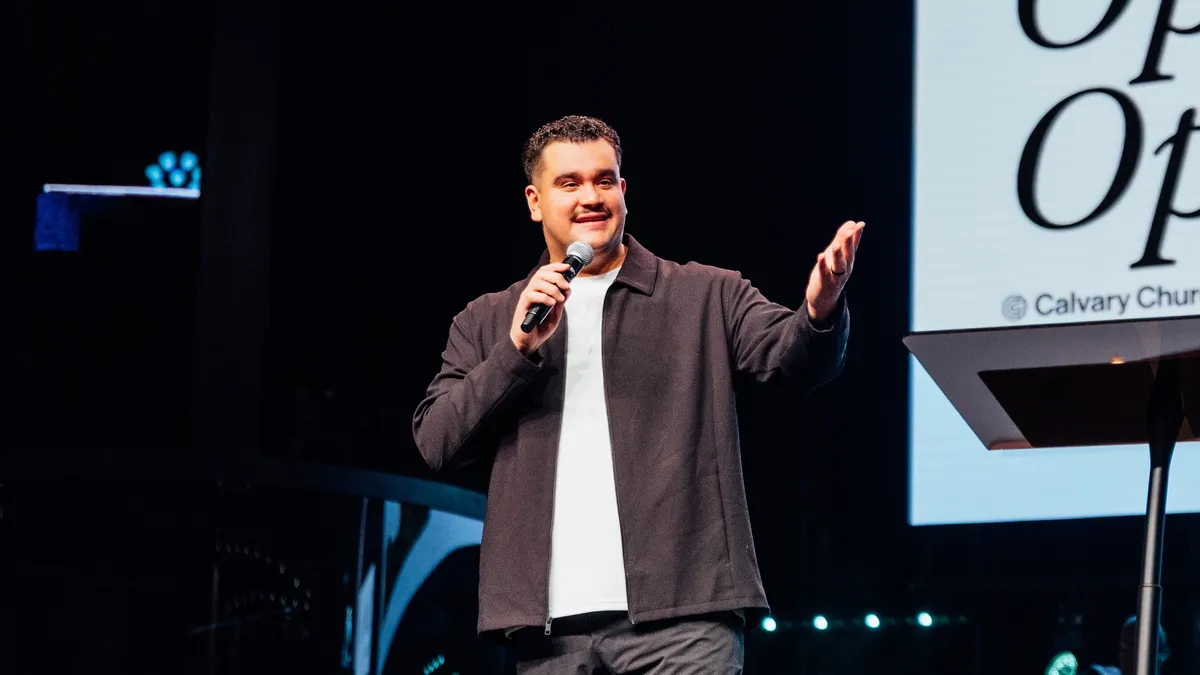
Open Hands and Open Hearts
October 11, 2026 | Pastor Adrian Cruz
More from GenerosityWatch the full livestream on YouTubeSubscribe on YouTube
Almost everyone has a generous moment now and then. A need shows up, your heart is moved, and you give. Living generously is different. A generous moment is reactive, while a generous life is proactive. In 2 Corinthians 9, Paul shows how generosity stops being something you do once in a while and becomes someone you are.
Key takeaways
- In 2 Corinthians 9:6, Paul teaches that you will not reap a harvest in any area of life where you refuse to sow.
- Generosity starts as a decision you make ahead of time, before the moment tests who you are.
- The hand follows the heart: you can give with a closed heart, but an open heart will always end up giving.
- God gives bread to live on and seed to sow, and His blessing in your life is meant to flow through you to others.
What does 2 Corinthians 9 say about generosity?
Second Corinthians 9 says that generous sowing leads to a generous harvest, and that God loves a cheerful giver. Here is the heart of the passage:
Remember this: Whoever sows sparingly will also reap sparingly, and whoever sows generously will also reap generously. Each of you should give what you have decided in your heart to give, not reluctantly or under compulsion, for God loves a cheerful giver.
2 Corinthians 9:6 to 7
One chapter earlier, Paul held up the churches of Macedonia. They had less money and influence than the church in Corinth, yet they outgave everyone. Here Paul explains how a church like that lives. Pastor Adrian Cruz drew four principles from the text for anyone who wants to live generously.
Will you reap where you refuse to sow?
No. You will not reap where you refuse to sow. Paul writes in farming language. No farmer walks up to an empty field and asks why it isn't producing anything, because nothing was planted there. Galatians 6:7 says it plainly: "A man reaps what he sows."
That raises an honest question. Is there an area of your life where you are asking God for a harvest but haven't been faithful to plant? Think about your marriage, your work, and your finances.
This is no cosmic gumball machine where you give $100 and get $1,000 back. God is a faithful provider, but generosity is never a formula for multiplying your money. Paul says God "will enlarge the harvest of your righteousness" (2 Corinthians 9:10). Sometimes the harvest isn't something God puts back in your hand. Sometimes it is a life changed for eternity.
You might look at what you hold and think it's too small to matter. Pastor Adrian put it this way: "The seed never looks like the harvest." A seed carries potential you can't see while it sits in your hand, and only after it is planted can God bring the increase. For example, every person at Calvary today is standing in a harvest someone else planted. This church started as a seed and a dream, and thousands of lives have been changed because someone was willing to sow it.
Why does generosity start with a decision?
Generosity starts with a decision because nobody drifts into it. Paul says to give "what you have decided in your heart to give." That is past tense. You make up your mind before the opportunity shows up.
If you wait until generosity costs you something to decide, convenience will usually decide for you. Pastor Adrian's challenge was simple: "Decide who you want to be in Christ before the moment tests who you are."
That applies well beyond money. Decide to be faithful in your marriage before temptation comes. Decide to be kind before the co-worker who tests your patience walks into the office. Decide to be generous before someone in need crosses your path.
Jesus told His followers to count the cost. Following Him will cost you something at some point. Sometimes it's money, and sometimes it's time, comfort, or calendar space. If a decision never costs you anything, it's fair to ask whether you have really laid your life in His hands.
The Macedonians show where that decision begins. Second Corinthians 8:5 says "they gave themselves first of all to the Lord." Before you decide what you will give, decide who you belong to.
What does it mean that God loves a cheerful giver?
It means God cares about the heart behind the gift as much as the gift itself. The hand follows the heart. Your beliefs shape your behavior, and over time they reveal what you really trust.
It's possible to give money with a closed heart, yet it isn't possible to have a heart genuinely open to God and never give anything. Jesus said:
For where your treasure is, there your heart will be also.
Matthew 6:21
Paul names three heart postures in verse 7:
- Reluctant: I'll give, but I don't want to.
- Under compulsion: I'll give because I have to.
- Cheerful: I get to give.
A cheerful giver is someone who gives with joy because they understand what is happening when they give. When you give, you are sowing into eternity. In Luke 21, Jesus watched a poor widow drop two small copper coins into the temple treasury and said she had given more than all the rich. God isn't comparing your gift with anyone else's. He is looking at your heart.
What is the difference between bread and seed?
Bread is provision for you to live on, and seed is what God means for you to plant in others. Paul makes the distinction in verse 10:
Now he who supplies seed to the sower and bread for food will also supply and increase your store of seed and will enlarge the harvest of your righteousness.
2 Corinthians 9:10
Both come from the same Source, but they serve entirely different purposes in your life. If you consume everything God puts in your hand, will you eventually eat something He meant for you to sow?
Pastor Adrian illustrated this on stage. He asked for someone to run up and hand him $20, and a volunteer did it right away. Then the volunteer explained that Pastor Adrian had given him that $20 before the service. Returning it was easy, because it was never his. "Generosity only becomes difficult when we confuse ownership with stewardship," Pastor Adrian said.
Stewardship is managing what belongs to God for His purposes. Ownership says it's mine. Stewardship says it's in my hand, but God put it there for a reason.
Each of you should use whatever gift you have received to serve others, as faithful stewards of God's grace in its various forms.
1 Peter 4:10
So ask what God has placed in your hand. That could be time, talent, treasure, or your testimony. For deeper reading on this idea, Pastor Adrian points to Randy Alcorn's Money, Possessions and Eternity.
What if I give and don't have enough?
You can give without fear because you were never the source. Wisdom still matters, and nobody is asking you to give what you don't have. Yet wisdom will never keep you from obeying God's plan for your life.
Asking "Will I run out?" assumes everything starts and ends with you. Scripture says something different:
And my God will meet all your needs according to the riches of his glory in Christ Jesus.
Philippians 4:19
God is Jehovah Jireh, your provider. You can release what's in your hand because you trust the One who put it there.
Are you a Sea of Galilee Christian or a Dead Sea Christian?
A Sea of Galilee Christian lets God's blessing flow through them, while a Dead Sea Christian only receives. Both seas are fed by the same source, the Jordan River. The Sea of Galilee is full of fish and surrounded by life. The Dead Sea can't sustain life. The difference is that the Sea of Galilee has an outlet and the Dead Sea doesn't.
Every believer has the same Source, so the question is whether your faith has an outlet. Do you serve, give, and encourage, or does it all stop with you? Paul says, "You will be enriched in every way so that you can be generous on every occasion" (2 Corinthians 9:11). Those two words, "so that," show the purpose. God blessed Abraham so he would be a blessing (Genesis 12:2), and He blesses you for the same reason. "God never intended for his blessings to have your address as the final destination," Pastor Adrian said.
Questions to ask before you give
- Where am I asking God for a harvest in a place I haven't been faithful to sow?
- What have I already decided about generosity, before the next need shows up?
- When I give, is my heart reluctant, compelled, or cheerful?
- God, what have You given me to enjoy, and what have You entrusted to me to sow?
Pray
Father, everything I have comes from You and belongs to You. I give myself to You first. Give me an open heart and open hands. Show me what is bread for my family and what is seed for someone else, and make me a cheerful giver. Pour into my life so You can pour through my life. In Jesus' name, amen.
Key terms
- Seed is the part of what God puts in your hand that He means for you to sow into others. Bread is what He gives you to live on.
- A generous life is proactive generosity you decide on ahead of time, while a generous moment is a reaction to a need.
Talk about it
- Pastor Adrian said we will not reap where we refuse to sow. Where in your marriage, work, or finances are you hoping for a harvest you haven't planted?
- What is one decision you could make now, before the moment tests you, about the kind of person you want to be in Christ?
- Read 2 Corinthians 9:7. Which heart posture describes your giving most often: reluctant, under compulsion, or cheerful? Why?
- Looking at 2 Corinthians 9:10, what has God put in your hand that is bread to live on, and what might be seed to sow into someone else?
Common questions
What does "whoever sows sparingly will also reap sparingly" mean?
In 2 Corinthians 9:6, Paul uses farming language to teach that you can't expect a harvest where you haven't planted. The harvest he promises is a "harvest of your righteousness," which can mean lives changed for eternity. It is no promise that God will multiply your money back to you.
What does it mean that God loves a cheerful giver?
Second Corinthians 9:7 says to give what you have decided in your heart, "not reluctantly or under compulsion." A cheerful giver gives with joy because they trust God and know they are sowing into His kingdom. God looks first at the heart behind the gift.
What is the difference between seed and bread in 2 Corinthians 9:10?
God supplies both. Bread is daily provision meant to be consumed, and seed is meant to be planted in the lives of others. Living generously means knowing which is which, so you don't consume what God meant you to sow.
Should I give if I'm worried I won't have enough?
Wisdom matters, and no one is asking you to give what you don't have. Philippians 4:19 promises that God will meet all your needs according to His riches in Christ Jesus. Because God is the Source, you can take a step of generosity in faith.
Your next step
Make Pastor Adrian's closing declaration your own this week: everything you have comes from God, belongs to God, and can be used by God. Then choose one way to be generous with your time, words, or resources. If you want to follow Jesus or take a next step in faith, start at Next Steps. You can also catch up on the whole generosity series.